
November 11, 2026
Prime Environmental
Lead paint in an older Denver home needs abatement, not just careful renovation, when the goal is to end the lead hazard for good: a young child lives there, the paint is peeling or rubbing on windows and doors, or a sale, lender or rental requires it. Abatement means removing, sealing or covering the lead paint under Colorado's rules, then proving the space is clean before anyone moves back in.
Any home built before 1978 may have lead paint, since that is the year it was banned for use in homes. Most of the time it sits quietly under newer coats. It becomes a problem when it wears down, or when winter projects like new windows, stripped trim or an opened wall turn it into dust.
This guide explains the difference between lead-safe renovation and abatement, the three ways lead paint is abated, how a job is contained and cleared, and what to sort out before work starts.
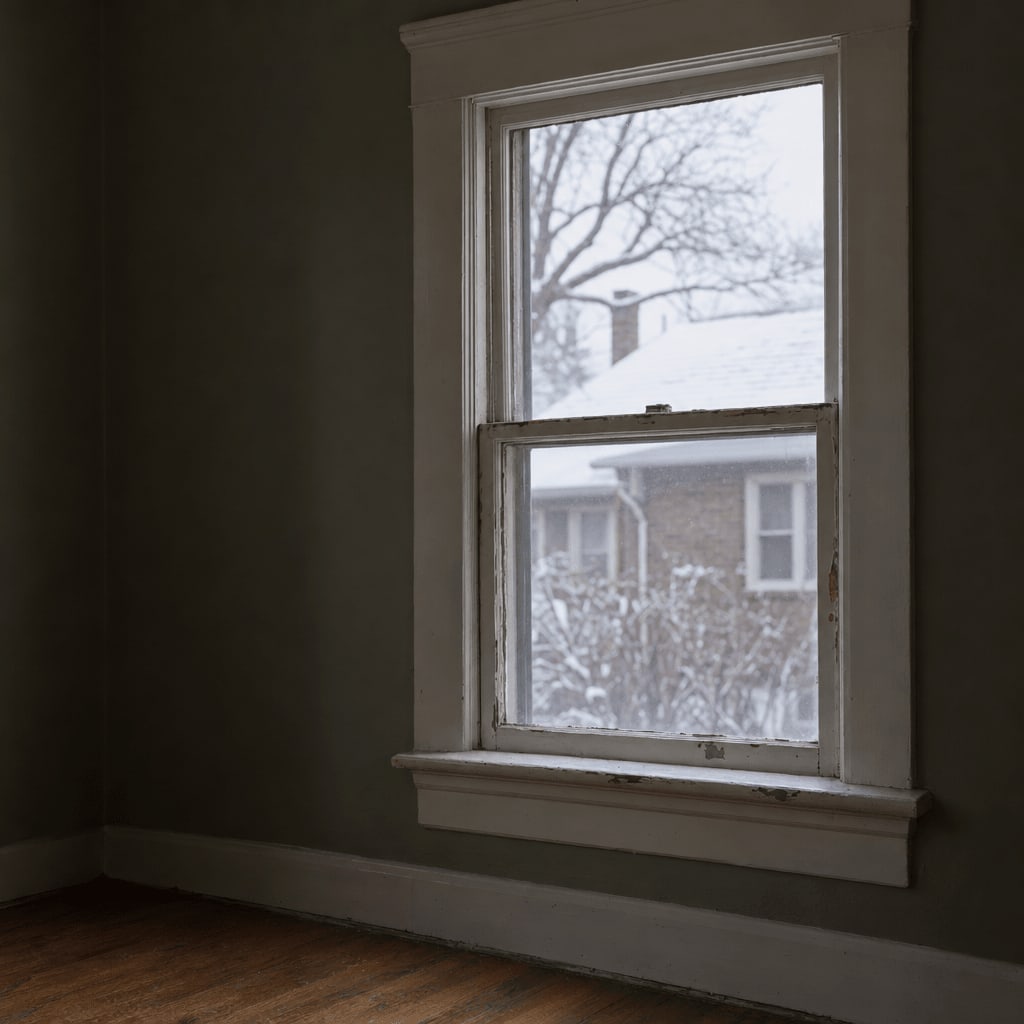
Intact lead paint under newer coats is not a hazard by itself. The risk is lead dust, and it comes from two places.
The first is wear. Window sashes sliding in their frames, doors rubbing their jambs and stairs under foot all grind old paint into fine dust that settles on sills and floors. Peeling and chalking paint does the same.
The second is work. Dry scraping, sanding and cutting into painted walls or trim release far more dust in an afternoon than years of wear. The dust is too fine to see, it spreads beyond the room, and an ordinary vacuum does not pick it up.
Young children are most at risk because their hands and toys end up in their mouths, and the Centers for Disease Control and Prevention says no safe blood lead level in children has been identified. Pregnant women are at higher risk too.
Two different sets of rules cover lead paint work in pre-1978 homes, and which one applies depends on what the work is for.
Renovation, repair and painting work that happens to disturb lead paint, such as replacing windows, remodeling a kitchen or repainting trim, falls under the EPA's Renovation, Repair and Painting rule. The contractor must be a certified renovation firm and use lead-safe practices: containing the work area, keeping dust down, and cleaning up with HEPA vacuums and wet wiping. In Colorado, the contractor must also give you the EPA's Renovate Right pamphlet at least seven days before work that disturbs 2 square feet or more of painted surface.
Renovation rules make a remodel safer. They do not aim to take the lead out of the home.
Abatement is work designed to end the lead hazard permanently. Under Colorado's lead-based paint regulation, it covers removing lead paint and lead-contaminated dust, permanently enclosing or encapsulating lead paint, replacing lead-painted parts like windows and doors, and removing or covering lead-contaminated soil, along with the cleanup and the clearance testing at the end. The Colorado Department of Public Health and Environment (CDPHE) requires abatement to be done by state-certified firms and workers under a state permit. The state's summary is on the CDPHE lead-based paint page.
Abatement makes sense when the point of the work is the lead itself:
There is no single method. Each surface gets the one that fits it, and many jobs use all three.
The lead paint, or the painted part itself, comes out. Paint is taken off with wet methods or chemical strippers rather than dry sanding, and old parts like window sashes, doors and trim are often replaced outright, which also ends the rubbing that made the dust. Removal is the most thorough option and usually the most involved.
A special coating is applied over the lead paint to seal it in. CDPHE keeps a list of encapsulant products approved for this work. Encapsulation only works where the old paint is still holding firmly to the surface, and it is a poor fit for friction spots like window sashes, where the coating would wear through. Think of it as a sealed barrier, not an ordinary coat of paint.
The lead-painted surface is covered with a durable new layer, such as drywall over a wall or new cladding over exterior trim, fastened in place and sealed at the edges. The lead paint stays behind the new surface, so anyone who later cuts into it needs to know it is there.
A lead abatement job follows a set order, built to keep dust inside the work area and to prove it is gone at the end.
Keep the paperwork when the job is done: the inspection report, the work records and the clearance results. A buyer, lender or rental program may ask to see them.
A few steps make the job safer and the quotes easier to compare:
Prime Environmental handles lead abatement in pre-1978 homes across the Denver metro, using removal, encapsulation and enclosure inside sealed containment. Our lead abatement service page explains the work in more detail.
Planning work on an older home? Call Prime Environmental at (303) 720-5111 for lead paint removal anywhere in the Denver metro.
These are the questions Denver owners ask most often before work on an older home.
No, but any of them might, and you cannot tell by looking. A home built before 1978 should be treated as possibly containing lead paint until an inspection shows which surfaces do. Lead is most often found on windows, doors, trim, stairs, porches and exterior walls.
Ordinary paint is not a fix. A fresh coat may hide old paint for a while, but it does not seal it in, and rubbing or peeling brings the lead back to the surface. Encapsulation uses approved coatings made for the job, and only where the old paint is in sound condition.
It can be, when a certified renovation firm does it using lead-safe practices. Taking out old windows disturbs painted sashes, frames and trim, which is why the work needs containment and careful cleanup. If the goal is to end the lead hazard for good, abatement is the better route.
Residents, and especially children and pregnant women, stay out of the work area until it has passed clearance testing. Depending on the size of the job, that may mean closing off part of the home or staying elsewhere while the work is done.
It depends on how many surfaces contain lead, which methods fit them and how much containment the job needs. Dealing with a few windows costs far less than abating a whole house. A quote based on an inspection report is the only reliable way to know.
Lead paint does not have to come out of every older home. What matters is knowing where it is, keeping it from turning into dust, and choosing abatement when the goal is to end the hazard for good.
Contact Prime Environmental to talk through lead abatement for your Denver home.
Our team of certified professionals is always ready to protect your home or business. Contact us today and get a FREE estimate.