
There's a certain charm to Denver's older neighborhoods—the mature trees, the solid construction, the character you just can't find in new builds. But if you've bought a home built before 1980 and you're planning to renovate, there's an important consideration hiding in those walls. Understanding asbestos in old Denver homes before you pick up a sledgehammer is one of the smartest moves a new owner can make, because renovation is exactly when this hidden hazard becomes dangerous.
Asbestos was a standard building material for decades, valued for its fire resistance and durability. In an intact, undisturbed state it often poses little immediate risk—but the moment you start cutting, scraping, or demolishing, that changes completely. At Prime Environmental, we help Denver homeowners renovate safely by removing asbestos-containing materials before the dust starts flying. This guide explains why older homes contain asbestos, where it hides, and how professional abatement clears the way for the remodel you're dreaming about.
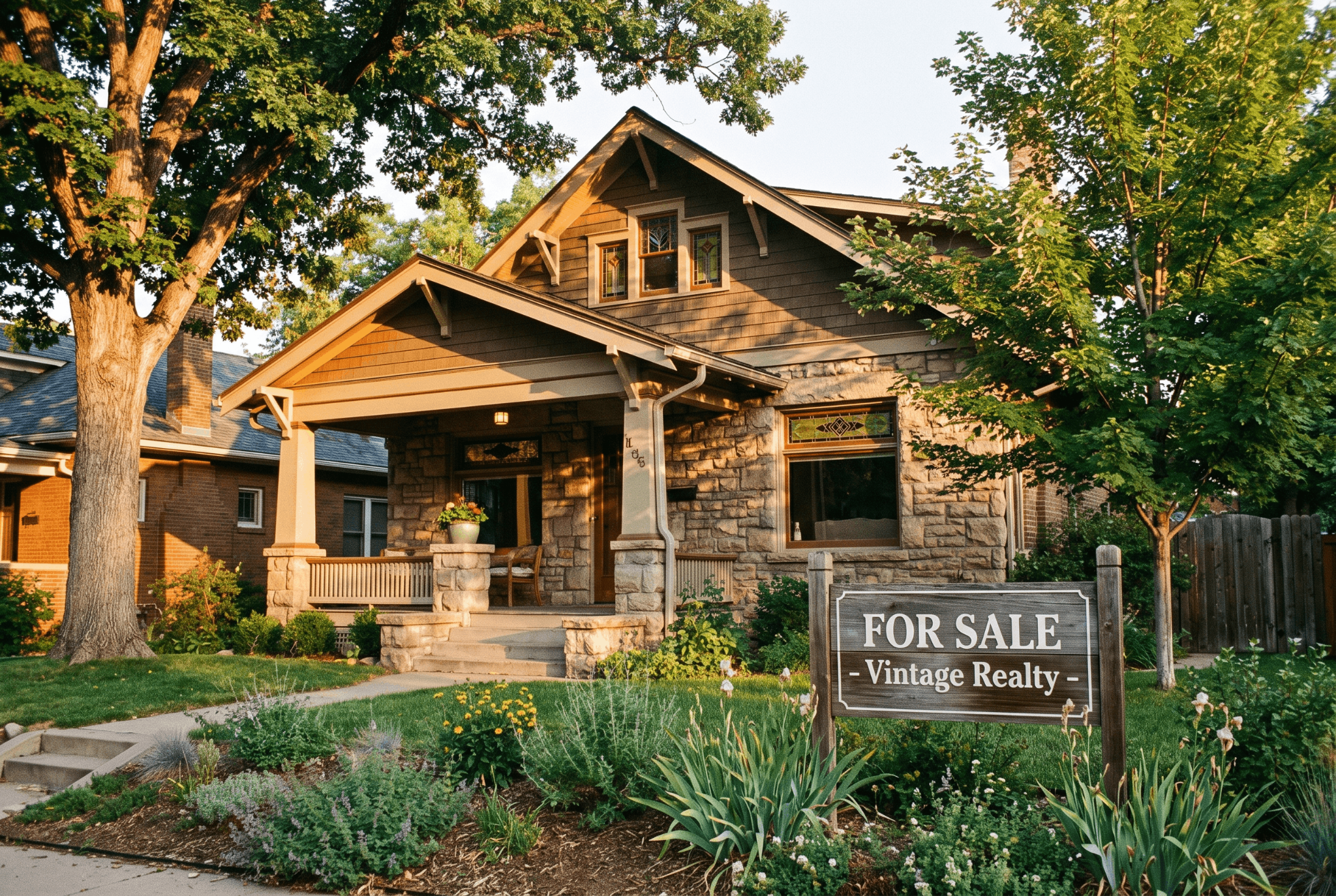
If your home predates 1980, the odds that it contains some asbestos-containing materials are significant. Understanding asbestos in old Denver homes starts with understanding the era they were built in, when the material was woven into products throughout residential construction.
For much of the twentieth century, asbestos was prized precisely because it worked so well. It resisted fire, insulated against heat and sound, added strength to building products, and cost very little. Builders used it liberally in everything from ceiling textures to floor tiles to the insulation wrapped around pipes and ducts. It wasn't until the health risks became undeniable that its use was phased down, and by then it was already sitting inside millions of homes.
Denver's housing stock reflects this history plainly. Whole neighborhoods of bungalows, ranches, and mid-century homes were built during the decades when asbestos was standard. That's why the age of a home is such a reliable indicator: a pre-1980 build date doesn't guarantee asbestos is present, but it raises the likelihood enough that any renovation should account for it. Reviewing the EPA's overview of asbestos in the home is a helpful way to understand the scope before you plan your project.
Knowing where to expect asbestos in old Denver homes helps you plan a renovation that doesn't accidentally disturb it. The material shows up in a handful of predictable places, many of which are exactly the surfaces homeowners most want to update.
Here are the most common locations asbestos-containing materials turn up in older Denver homes:
What makes this list important is how much of it overlaps with typical renovation targets. Scraping a ceiling, tearing out old flooring, or opening walls all risk disturbing these materials. Because so many of these products are hidden beneath later updates, homeowners are often unaware they exist until demolition exposes them.
The central truth about asbestos in old Denver homes is that danger comes from disturbance. Undisturbed material sitting inside a wall or under a floor generally isn't releasing fibers into your air. The problem begins the instant renovation activity breaks it apart.
Asbestos becomes hazardous when its fibers become airborne, and that's precisely what demolition does. Sanding a textured ceiling, prying up old tile, cutting into plaster, or ripping out pipe insulation shatters the material and sends microscopic fibers into the air, where they can be inhaled and lodge permanently in lung tissue. A weekend DIY project can generate an intense burst of exposure in a very short time.
This is why the excitement of a new renovation can quietly become a health risk. Homeowners eager to open up a floor plan or refresh dated finishes often start demolition without realizing what they're disturbing, and by the time fibers are airborne, the exposure has already happened. The fibers also settle into dust that spreads through the home and its HVAC system, extending the contamination well beyond the room being renovated. Handling suspect materials through professional asbestos abatement before demolition begins is what keeps a remodel from turning into a hazard.
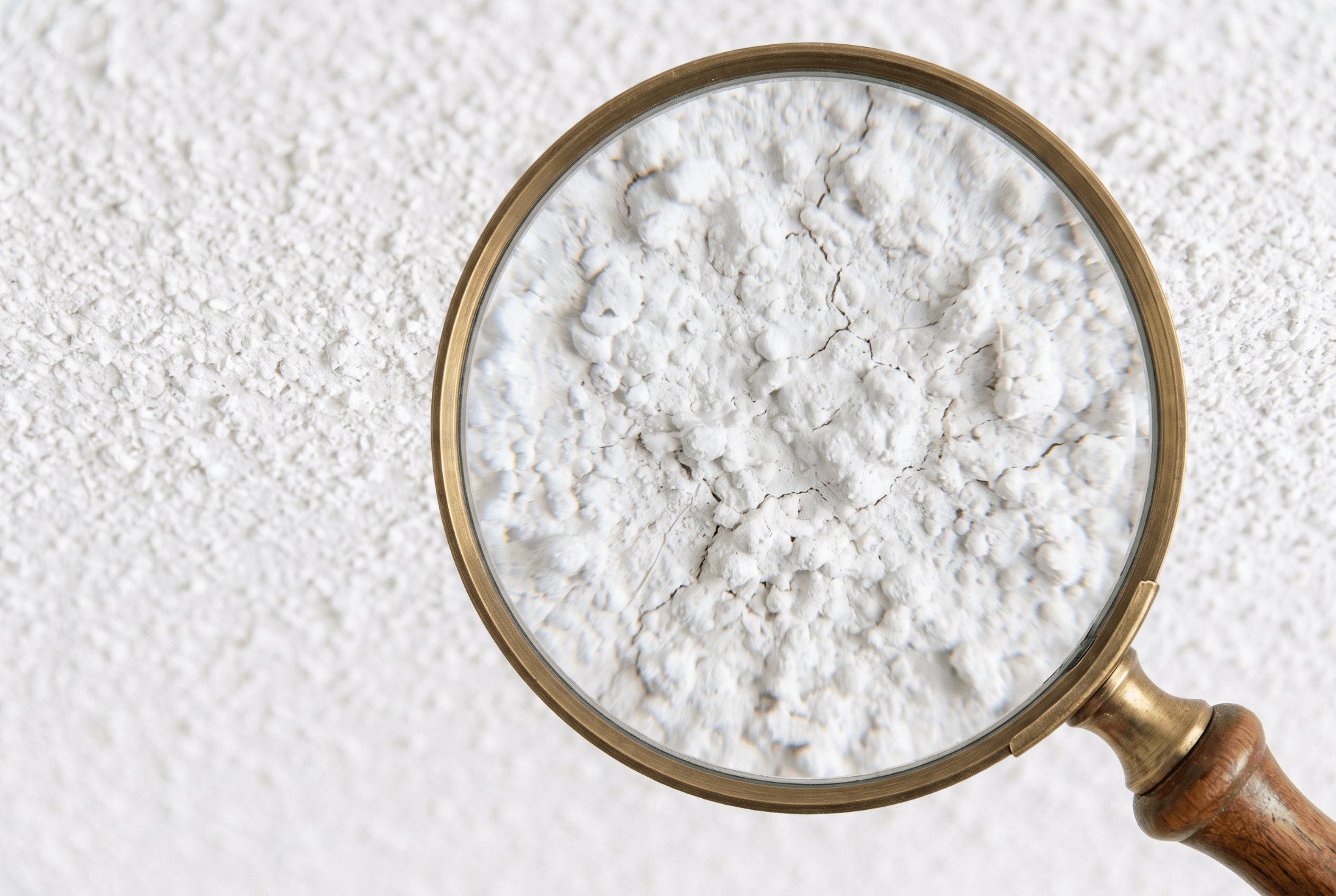
The good news for anyone worried about asbestos in old Denver homes is that professional abatement makes renovation safe and straightforward. Removing the material properly, before construction starts, turns an invisible risk into a closed chapter.
With abatement complete and the area independently cleared, your contractor can begin the remodel on a clean, safe foundation. Any confirmation that the space meets clearance standards is handled by an independent third-party laboratory, keeping that verification separate from the removal work itself. In homes built before 1978, this is also the ideal time to address lead-based paint through proper lead abatement, since both hazards are best handled before new finishes go in.
A common concern about asbestos in old Denver homes is whether abatement will derail a renovation schedule. In practice, building it into your timeline from the start prevents far bigger delays than tacking it on midway through demolition.
The key is sequencing. Abatement belongs at the very beginning of the project, before any demolition or construction. When it's planned up front, the removal and its clearance happen while other pre-construction tasks are underway, and your contractor steps into a space that's already safe. The time abatement adds is modest and predictable—far less disruptive than the alternative.
That alternative is what homeowners want to avoid: discovering asbestos mid-demolition. When a crew unexpectedly disturbs asbestos-containing material, work stops immediately, the area may be contaminated, and the project stalls while emergency abatement is arranged—often at greater cost and with a spread of fibers that now requires additional cleanup. Planning abatement first isn't just safer; it's the faster and more economical path to the finished home you're after. Coordinating early with your abatement provider, contractor, and designer keeps everyone working from the same timeline.
If you've just bought an older property and you're eager to begin, a little restraint at the outset protects you from the biggest pitfalls of asbestos in old Denver homes. The steps you take before the first wall comes down matter more than almost anything else in the project.
Start by resisting the urge to “just take a look” by scraping a ceiling or pulling up a corner of old flooring to see what's underneath. That casual poking is exactly the kind of disturbance that releases fibers. Instead, treat any suspect material as if it contains asbestos until an independent assessment says otherwise. Confirmation of whether a material actually contains asbestos is handled by a third-party laboratory—never something to guess at or attempt yourself.
From there, plan the sequence deliberately. Line up your abatement provider before your contractor schedules demolition, so removal and its independent clearance happen first. Keep the home's occupants—and especially children and pets—away from any area with damaged or suspect material in the meantime. And hold off on DIY prep work like sanding, drilling, or removing trim in older rooms until you know what those surfaces contain. These simple habits cost you almost nothing up front and can save you from an expensive, hazardous cleanup later. Approached this way, even a gut renovation of a decades-old home can proceed safely and on schedule.
Your pre-1980 Denver home has decades of life left in it—start your renovation the safe way. If you're planning to remodel and suspect asbestos-containing materials, addressing them before demolition protects your family and keeps your project on track. Our certified team is ready to remove the hazard and clear the way for the home you envision.
📞 Call Prime Environmental at (303) 720-5111 to request a renovation abatement quote for your Denver home.
Asbestos-containing material that is intact, undisturbed, and in good condition generally poses little immediate risk, because the fibers stay bound within the material rather than becoming airborne. The danger arises when the material is damaged, deteriorating, or disturbed by activity like renovation. That said, materials in a home slated for remodeling won't stay undisturbed for long, which is why a professional assessment is important before any project that might break into walls, ceilings, or flooring.
If your renovation will disturb asbestos-containing materials—by cutting, scraping, sanding, or demolishing them—then yes, they need to be professionally removed or otherwise addressed before work begins. Leaving them in place is only an option when they're in good condition and won't be touched by the project. Because most renovations involve exactly the surfaces where asbestos hides, removal before demolition is usually the safest and most practical path, and it keeps the rest of the home from being contaminated.
For most residential projects, professional abatement adds a relatively short, predictable window to the front end of the timeline—often a matter of days for a typical scope, depending on how much material is involved and its accessibility. When abatement is planned before demolition, it overlaps with other pre-construction steps and rarely becomes the bottleneck. Discovering asbestos mid-project causes far longer delays, since work has to stop for emergency removal and additional cleanup, which is why sequencing abatement first saves time overall.
How much does asbestos removal cost in Denver?
Asbestos removal cost in Denver depends on the type and amount of material, where it's located, and how accessible it is — a single popcorn ceiling is a very different scope than whole-home pipe insulation. Because every project is different, an on-site assessment is the only way to get an accurate figure, which is why Prime Environmental provides free, detailed estimates before any work begins.
Do I need an asbestos inspection before renovating in Colorado?
In Colorado, testing suspect materials before disturbing them is strongly advised, and regulations require proper handling of asbestos during renovation and demolition. Any material that might contain asbestos should be assessed by an accredited inspector, with samples confirmed by a third-party laboratory, before demolition starts. This protects your household and keeps your project compliant with state and federal rules.
Our team of certified professionals is always ready to protect your home or business. Contact us today and get a FREE estimate.
.svg)

.svg)
.avif)