
Storm damage water cleanup in Denver often starts the same way: Colorado's summer storm season turns a calm afternoon into a downpour in minutes, and for local homeowners that means a very real risk of water finding its way indoors. Hail, wind-driven rain, and flash runoff all push water toward vulnerable points in a home, and once it gets inside, the clock starts on a second danger: mold. Understanding storm damage water cleanup in Denver means knowing where water enters, what to do the moment it does, and why fast, thorough drying is the key to preventing a lasting problem.
Water intrusion from a summer storm is rarely just about the water you can see. What soaks into carpet, drywall, and subfloors, and lingers in wall cavities and basements, is what creates the damp conditions mold needs to take hold, often within a day or two. At Prime Environmental, our focus is the environmental aftermath of these events: making sure storm moisture is fully addressed so it doesn't become the hidden mold problem homeowners discover weeks later. This guide covers how summer storms drive water into Denver homes, the vulnerable entry points to watch, what to do when water gets in, and how professional drying and mold remediation protect your home.
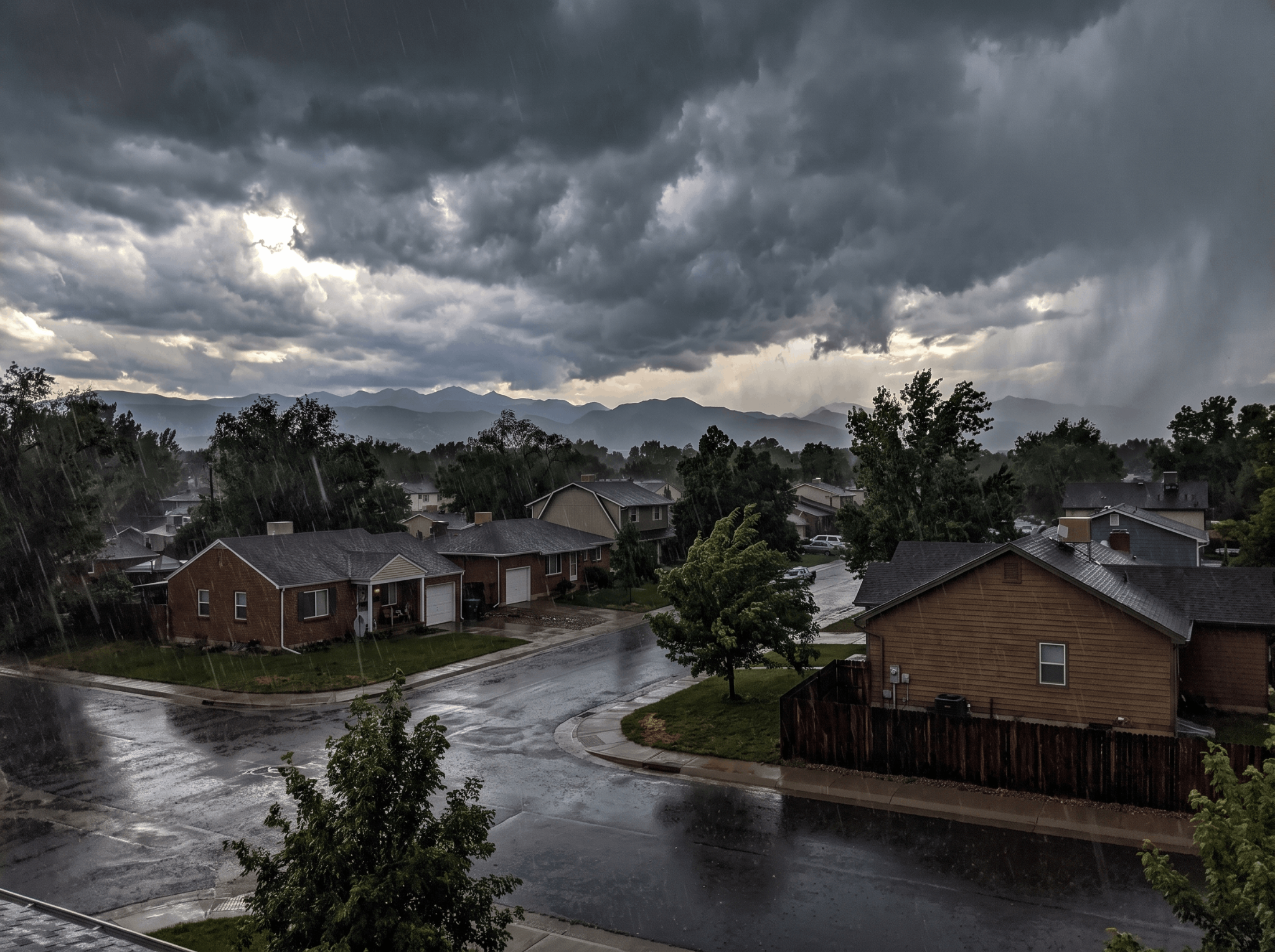
Colorado's summer storms are distinctive in their intensity. Rather than steady, all-day rain, they often arrive as sudden, violent bursts, heavy downpours, hail, and gusting winds compressed into a short window. That intensity is exactly what makes them so capable of forcing water into homes that handle ordinary rain without trouble.
There are several mechanisms at work. Wind-driven rain is pushed horizontally against walls, windows, and doors, finding gaps that vertical rain never would. Hail can damage roofing and siding, opening new paths for water to enter. And flash runoff, water moving fast across hard ground and pooling faster than it can drain, collects around foundations and window wells, where it can seep or pour into basements. In a matter of minutes, a storm can deliver more water to a home's vulnerable points than it sees in weeks of normal weather.
Because the water arrives quickly and often enters at hidden or below-grade points, homeowners may not realize how much has gotten in until it has already soaked into materials. That delay is what makes storm water so prone to causing mold: by the time the visible water is noticed and wiped up, moisture has frequently penetrated deeper, where it sits and feeds growth unless it is professionally dried out.
Wind-driven rain and hail are a storm's most direct routes indoors. Wind pushes rain sideways against the building envelope, driving it through gaps around windows, doors, and siding that would stay dry in a normal shower. Hail compounds the problem by damaging roofing and exterior surfaces, creating fresh openings. Together they can breach a home in places owners never think to check, and the water they let in often ends up where mold thrives.
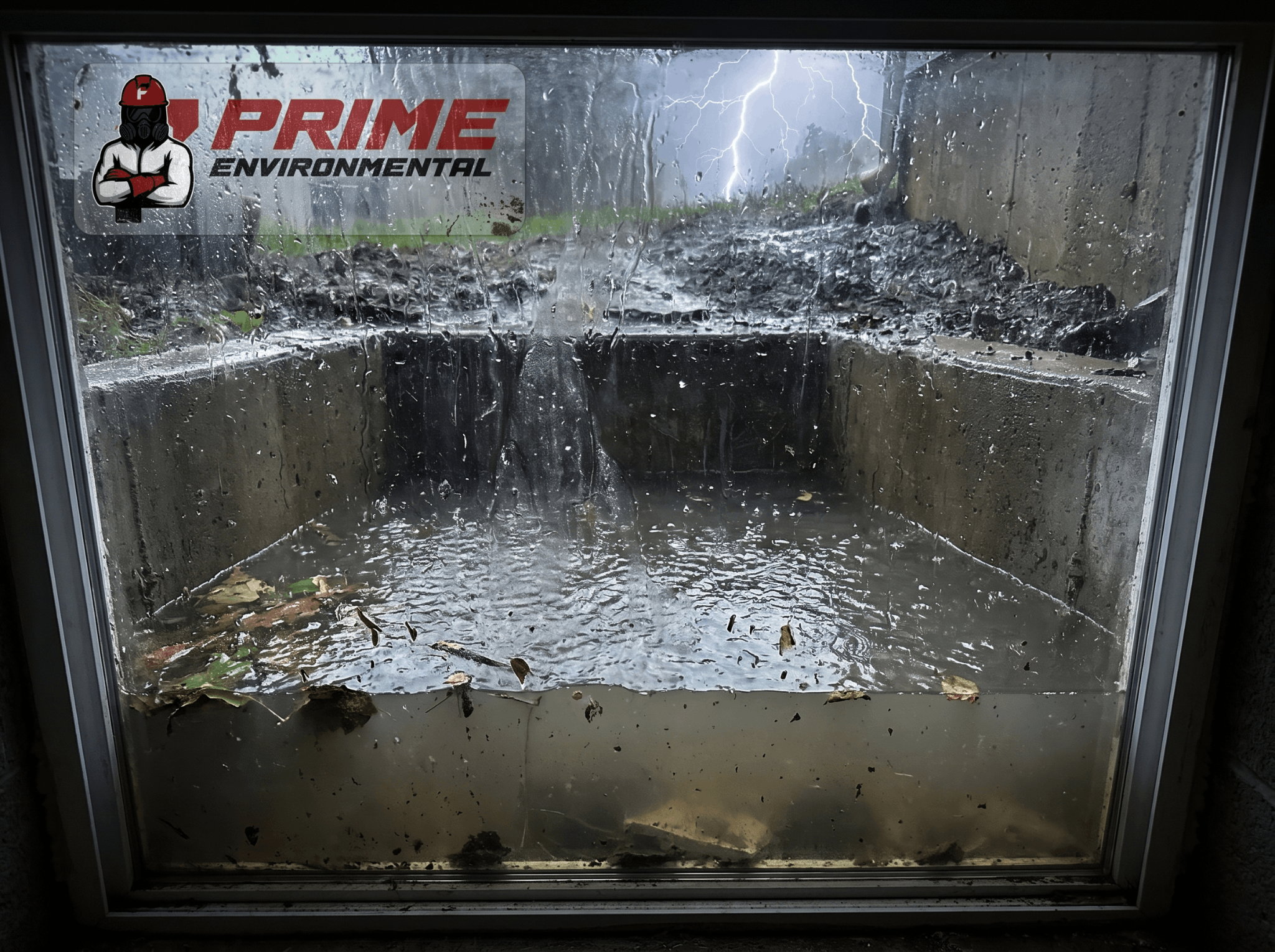
When a storm dumps rain faster than the ground can absorb it, the excess becomes flash runoff, water racing across hard surfaces and collecting at low points. Around a home, that means water pooling against the foundation and filling window wells, where hydrostatic pressure can push it through cracks and gaps into the basement. This below-grade intrusion is especially prone to going unnoticed, and especially likely to leave damp conditions behind.
Storm water tends to exploit the same predictable weak points in a home. Knowing where they are helps homeowners spot trouble early and understand where hidden moisture may be hiding after a storm. The most common entry points include:
After a significant storm, these are the areas worth checking, not just for standing water, but for the dampness, staining, and musty signs that reveal moisture has gotten in and may be feeding mold out of sight.
The actions you take in the first hours after storm water enters your home have an outsized effect on how much damage, and how much mold risk, results. If you discover water intrusion, focus on safety and limiting the spread:
These steps limit the immediate damage, but the decisive factor is what happens to the moisture you can't see. Water that has soaked into materials and cavities needs to be found and dried out completely, which is where professional help makes the difference between a clean recovery and a mold problem weeks later.
The most important, and most overlooked, part of recovering from storm water intrusion is what happens to the moisture left behind. Removing visible water is only the beginning; it is the hidden dampness in walls, subfloors, and cavities that determines whether a storm becomes a mold problem. This is precisely where Prime Environmental's focus on mold remediation and environmental recovery comes in.
Mold needs only moisture, an organic surface, and a little time to establish, often within 24 to 48 hours of materials getting wet. Storm water that has soaked into drywall, insulation, carpet padding, or a subfloor provides all three, and because that moisture is hidden, it can feed growth for days before anyone notices. Simply drying the surface while dampness remains inside the structure is what leads homeowners to discover mold weeks after a storm they thought they had cleaned up.
Thorough professional drying addresses the moisture at its source. Using proper equipment and moisture monitoring, the goal is to return the structure, not just the visible surfaces, to a genuinely dry state, removing the conditions mold depends on. And when growth has already begun, source removal combined with proper containment and treatment stops it from spreading. Treating storm recovery as an environmental job, not just a water-removal one, is what protects a home's air and structure for the long term.
Addressing storm water intrusion thoroughly protects far more than the visible mess. Proper drying and mold remediation safeguard the home's structure, air, and value in ways a quick surface cleanup cannot. The benefits include:
Because the mold that follows storm water is so often the longer-lasting threat, making sure moisture is fully addressed is what turns a stressful storm into a complete recovery, rather than the first chapter of a mold problem. That environmental focus is central to protecting a Denver home through the summer storm season.
📞 Call Prime Environmental at (303) 720-5111 for storm water drying and mold prevention across the Denver area.
As fast as possible, ideally within the first 24 hours. Mold can begin establishing within 24 to 48 hours of materials getting wet, so the speed of drying directly determines whether a storm becomes a mold problem. Just as important as removing visible water is drying the hidden moisture that soaks into walls, subfloors, and cavities, since that's what actually feeds growth. The sooner thorough professional drying begins, the less opportunity mold has to take hold and the less damage results overall.
It often depends on how the water entered and your specific policy. Many homeowners policies cover sudden storm-related water intrusion, such as wind-driven rain entering through a storm-damaged roof, while gradual seepage or flooding may fall under different terms or exclusions. Coverage varies, so reviewing your policy and speaking with your insurer is the best way to confirm what applies. Thorough documentation of the damage before cleanup begins, including photos and video, gives your claim the strongest support regardless of the specifics.
You can significantly reduce the risk. Keeping window wells clear of debris so they drain properly, ensuring the ground around the foundation slopes away from the home, and installing window-well covers all help keep runoff from collecting against basement windows. Maintaining gutters and downspouts so they carry water away from the foundation matters too. These measures don't guarantee a well will never fill in an extreme storm, but they address the most common causes of window-well flooding and the basement water intrusion it leads to.
Not always, but the risk is high whenever moisture is left in materials. Mold needs moisture, an organic surface, and time, and storm water that soaks into drywall, carpet, or a subfloor provides all three if it isn't dried promptly and thoroughly. Water that is fully removed and the structure dried within the first day or two often causes no mold at all. The determining factor is the hidden moisture: address it completely and mold is unlikely, but leave dampness inside the structure and growth becomes probable.
Our team of certified professionals is always ready to protect your home or business. Contact us today and get a FREE estimate.
.svg)

.svg)
.avif)